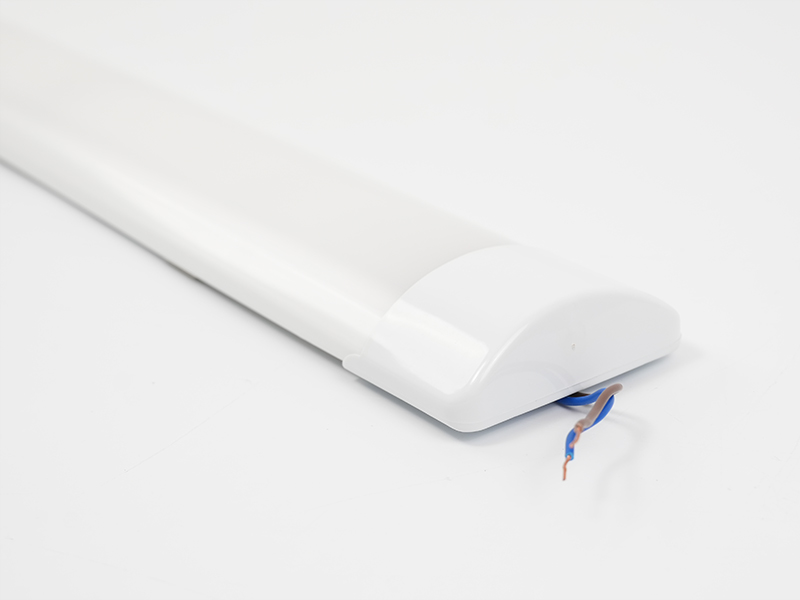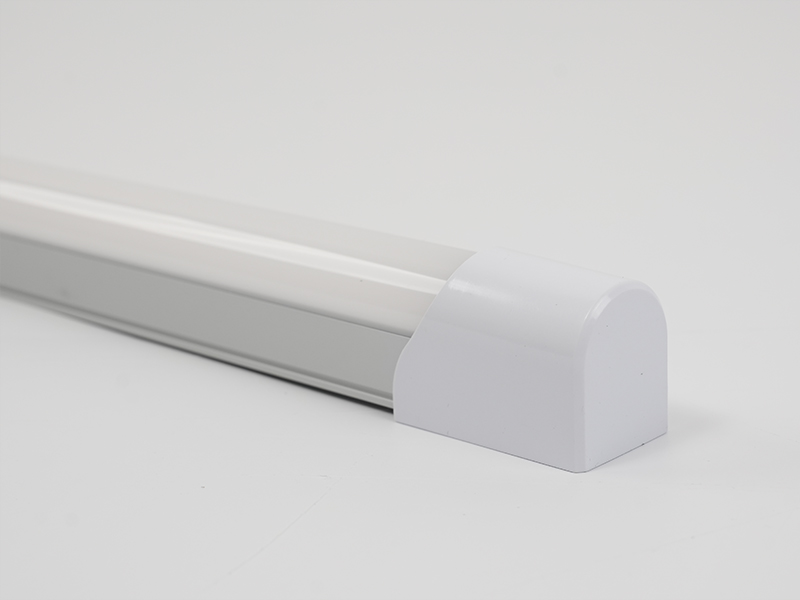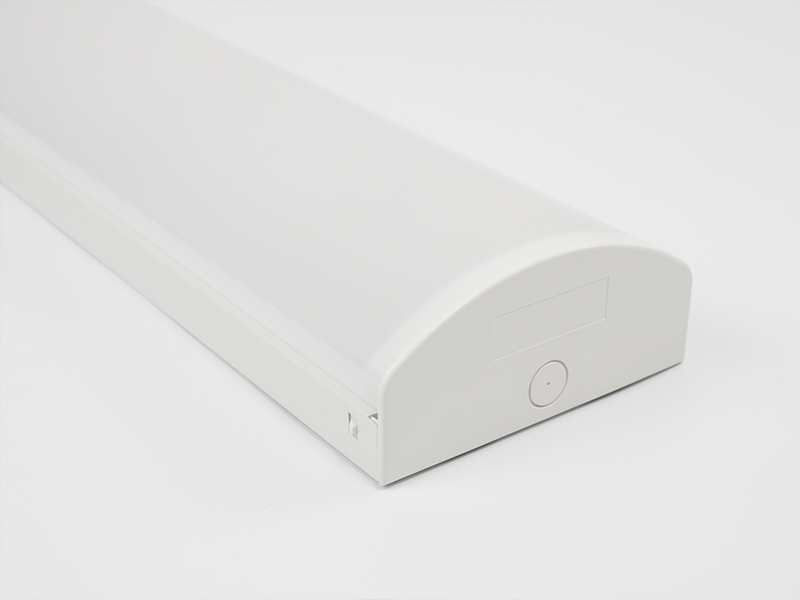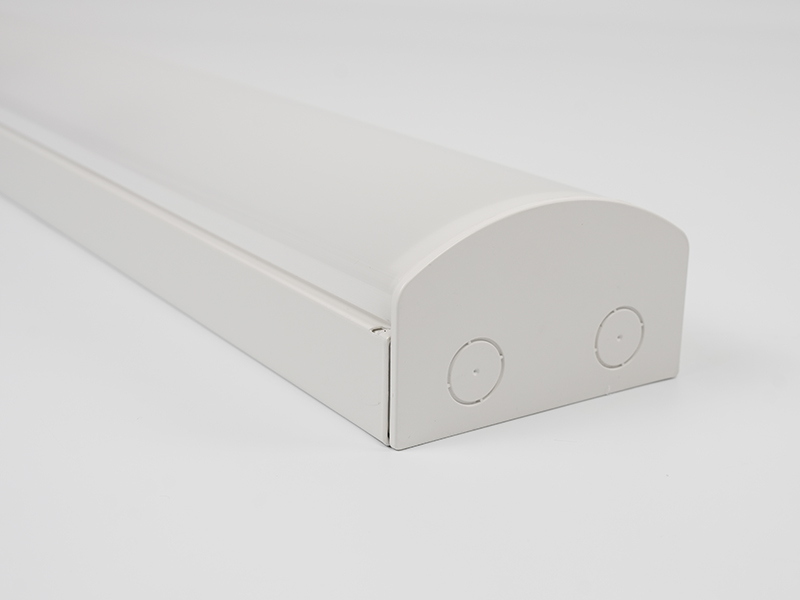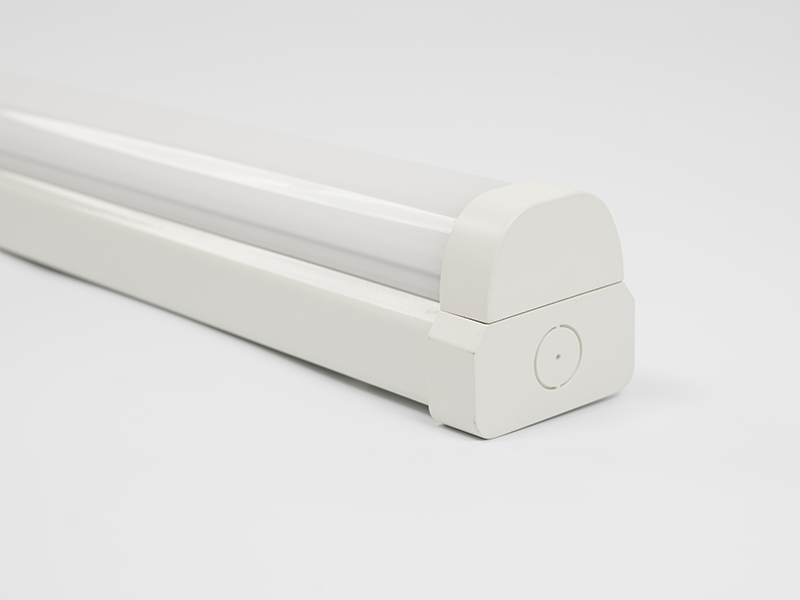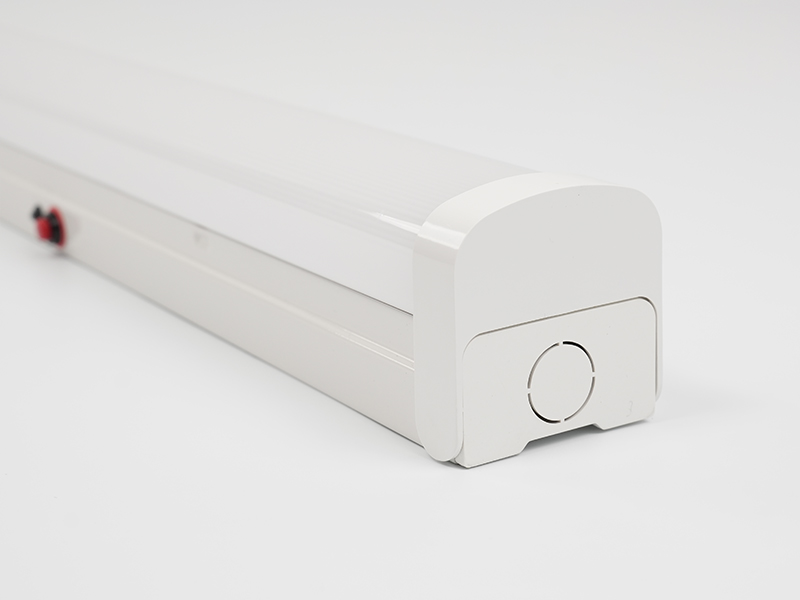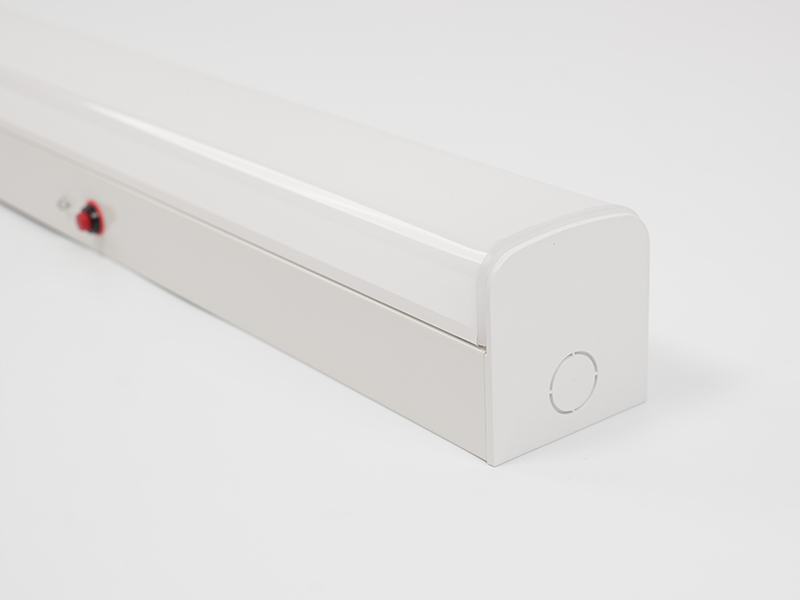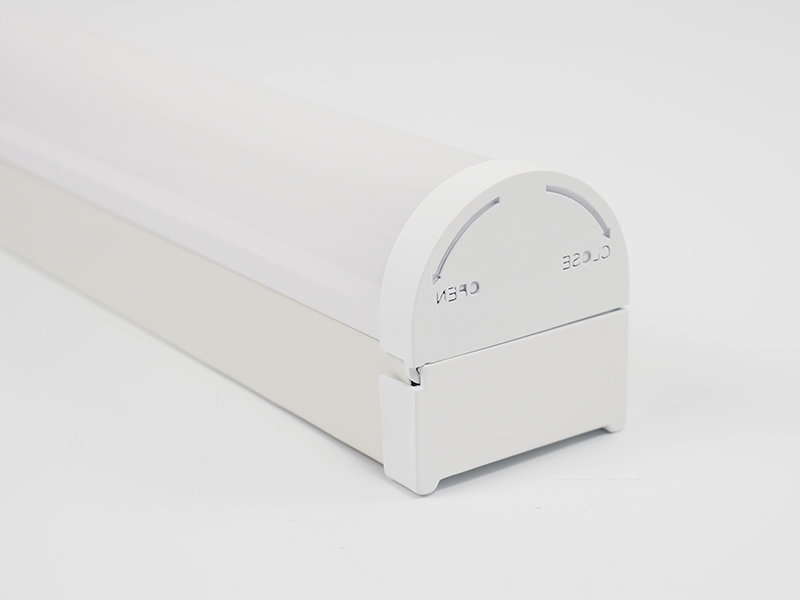

What Is Led Batten Light?
LED batten lights have quietly become one of the most versatile linear lighting solutions for both residential and commercial spaces. Replacing old fluorescent tube fixtures with a cleaner, integrated housing, they deliver uniform light, lower energy consumption and a much longer service life. Among the many lengths available, the 2ft, 3ft, 4ft, 5ft and 5ft variants form the core of most specifiers’ shortlists—the repeated “5ft” in your search simply reflects how dominant that size is for garages, warehouses, retail back-of-house and long corridor runs. This article walks through what these sizes actually mean, how their performance scales, where each one fits best, and what to check before you buy.
What an LED Batten Light Actually Is
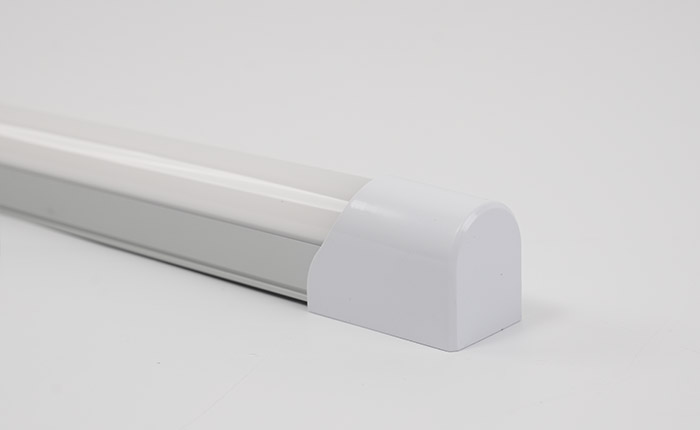
An LED batten is a self-contained linear fixture: the LED chips, driver, heat sink and diffuser are built into one slim housing. Unlike a retrofitted T8 LED tube that still relies on a legacy fluorescent bracket, an integrated batten mounts directly to the ceiling or wall and connects straight to mains (typically 220–240 V AC in the UK/EU, or 100–277 V in some industrial ranges).
The big advantages over fluorescent tubes are: no flicker, no ballast to fail, instant start, 80–120 lumens per watt, and rated lifespans of 25,000–50,000 hours. A 200-fixture commercial retrofit modelled over 10 years showed LED battens costing roughly one-third of the total cost of ownership of twin-tube fluorescents once energy, lamp replacement and labour were counted.
Decoding the Sizes: 2ft, 3ft, 4ft, 5ft, 5ft
The “ft” refers to the imperial length of the old fluorescent tube the batten replaces. Metric equivalents and typical integrated specs look like this:
Size | Metric length | Typical wattage | Typical lumens | Common CCT |
|---|---|---|---|---|
2ft LED batten lights | 600 mm | 9–22 W | 1,000–2,200 lm | 3000 / 4000 / 6000 K |
3ft LED batten lights | 900 mm | 13–33 W | 1,500–3,300 lm | 3000 / 4000 / 6000 K |
4ft LED batten lights | 1200 mm | 18–50 W | 2,000–5,500 lm | 4000 / 6000 K |
5ft LED batten lights | 1500 mm | 22–60 W | 2,600–5,600 lm | 4000 / 5000 / 6000 K |
Data compiled from multiple supplier datasheets.
Note that two 5ft entries in your query are not a typo in the market—5ft is simply the best-selling mid-long length, so it appears twice in many product filters (single vs twin, standard vs emergency, IP20 vs IP65). A twin 5ft batten roughly doubles the strips and output of a single version, often landing at 50–60 W and 5,000+ lumens.
Where Each Length Belongs
2ft (600 mm) – Best for compact zones: under-stair storage, small utility rooms, workshop benches, display plinths, and as supplementary light inside larger rooms. At ~1,800–2,000 lm it fills a 6–10 m² area without overpowering it.
3ft (900 mm) – A transitional size for narrower corridors, kitchen ceiling runs, cloakrooms and retail shelf lighting where a 4ft would look oversized. It bridges the gap between task lighting and general fill.
4ft (1200 mm) – The all-rounder. Garages, home workshops, classroom ceilings, open-plan office grids and supermarket aisles all standardise on 4ft because it gives ~3,600–4,000 lm in a proportion that suits 2.5–3.5 m ceiling heights.
5ft (1500 mm) – The workhorse for longer spans. Car parks, warehouses, factory floors, school halls and linear linkable runs in commercial ceilings lean on 5ft because fewer fixtures cover more metres. At 45–60 W and 4,500–5,600 lm, one 5ft batten replaces a twin 58 W fluorescent fitting comfortably.
When you see “2ft 3ft 4ft 5ft LED batten lights” listed together, it usually signals a full family from one manufacturer where the 5ft is offered in two configurations (e.g., standard and high-output, or indoor and IP65 tri-proof). Buying from one family matters: same diffuser style, same end-cap detailing, same colour consistency across the room.
Indoor vs Harsh Environment: IP Rating Matters
Not all battens are equal on protection. A standard office or living-space batten is IP20—fine for dry ceilings. The moment you move to a garage, kitchen splash zone, covered car park or outdoor canopy, you want IP44 at minimum and IP65/IP66 for anything exposed to wash-down, dust or rain. Tri-proof (waterproof, dust-proof, corrosion-proof) 5ft battens in IP65 with IK08–IK10 impact rating are the default for logistics and agriculture.
A common mistake is over-specifying IP65 in a dry office—you pay more and often get a thicker diffuser that softens the beam. Match the rating to the environment.
Colour Temperature and Rendering
Most battens ship in 4000K (neutral white) or 6000K (daylight), with 3000K available on switchable models.
3000K warm white – breakout areas, residential halls, hospitality.
4000K cool white – offices, schools, retail, general commercial.
5000–6000K daylight – garages, workshops, warehouses where task clarity wins.
Look for CRI ≥ 80 (Ra80) as a floor; Ra90 is worth it for retail and inspection areas.
Single, Twin and Switchable Options
“Single” means one LED strip inside the housing; “twin” means two, roughly doubling watts and lumens. For long 5ft runs, twin IP65 battens are popular in warehouses because one mounting point covers a wide bay.
Colour-switchable battens (3000/4000/6000 K selected by a dip switch) are increasingly standard and remove the risk of ordering the wrong Kelvin. Power-switchable or 0–10 V / DALI dimmable versions let you tune output per zone—useful in offices with mixed daylight.
Installation Styles
Three mounting methods dominate:
Surface-mounted – screw the bracket to ceiling or wall, snap the batten in. Most common for garages and retrofits.
Suspended – rod or cable hang from high ceilings in warehouses and studios.
Recessed – sits flush in a ceiling grid or plasterboard cut-out for a seamless look in modern offices and kitchens.
Many battens now support through-wiring and linkable connectors, so a row of 4ft or 5ft units forms one continuous light line without external junction boxes—cleaner and faster for electricians.
Energy and Cost Picture
A 4ft 36 W batten at ~3,600 lm equals or beats a legacy twin 36 W fluorescent (72 W total) while drawing half the power. Across 2,000–4,000 annual running hours, that differential pays back the premium within 1–2 years, and the 30k–50k hour lifespan removes relamping labour. Add microwave/PIR sensors and dim-to-10% standby in low-occupancy aisles, and energy use drops another 30–50%.
How to Choose the Right One
Measure the span – pick the longest batten that fits the ceiling run without looking stubby; 5ft reads right in a 4–6 m garage bay, 2ft reads right under a shelf.
Count lumens, not watts – aim for 300–500 lm/m² of floor area for general spaces, more for task areas.
Set the IP rating – IP20 indoor dry, IP44 splash zones, IP65 wet/dusty/outdoor.
Fix CCT once – or buy switchable to decide on site.
Check driver quality – branded driver (Philips, Lifud, Tridonic, Eaglerise) with PF >0.9 and no flicker.
Think in families – if you need 2ft, 4ft and 5ft across one project, buy the same range so colour and trim match.
The phrase “2ft 3ft 4ft 5ft 5ft LED batten lights” is really a shorthand for the standard linear family that covers every room from a cupboard to a loading bay. Once you map length to space, watts to lumens, and IP rating to environment, specifying becomes routine. Whether you are upgrading a home garage with a single IP65 5ft batten or fitting out a 2,000 m² warehouse with linked 4ft and 5ft rows, the integrated LED batten gives you fluorescent-level spread with a fraction of the running cost—and none of the buzz.