

The Complete Guide to 2ft, 3ft, 4ft, 5ft and 6ft LED Batten Lights
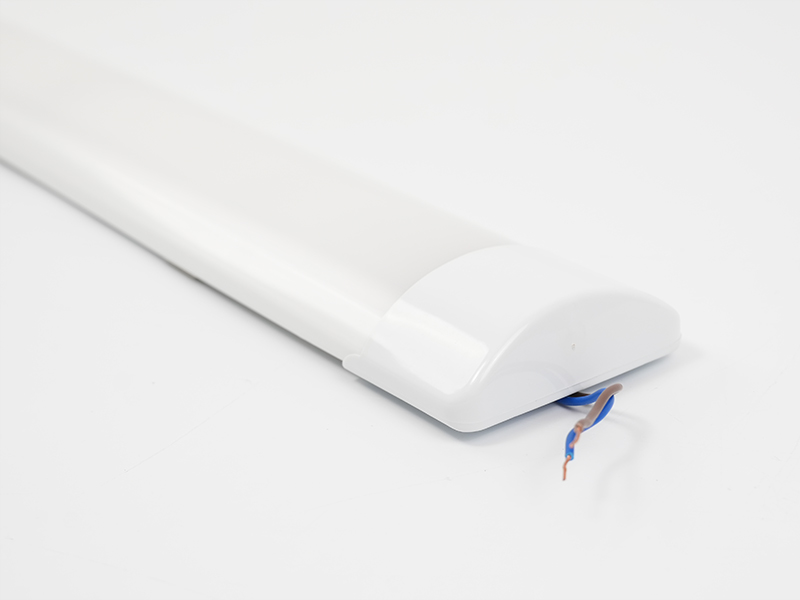
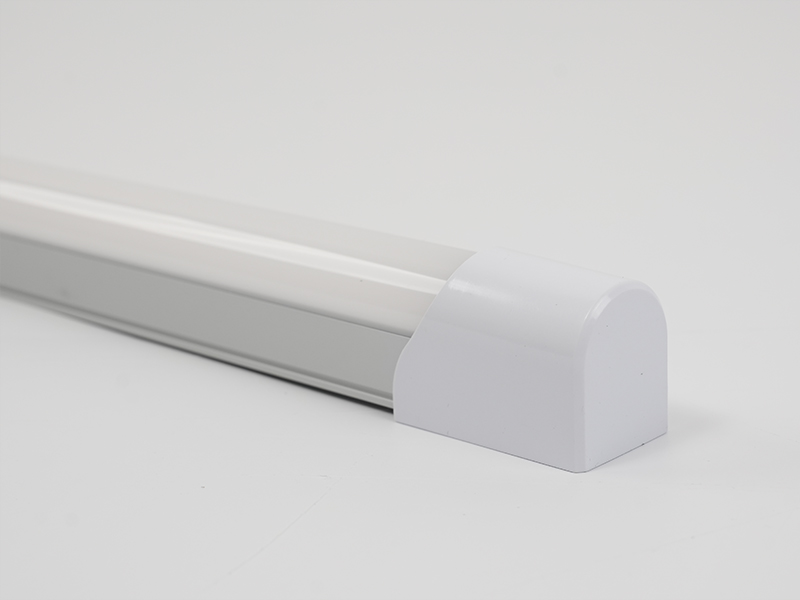
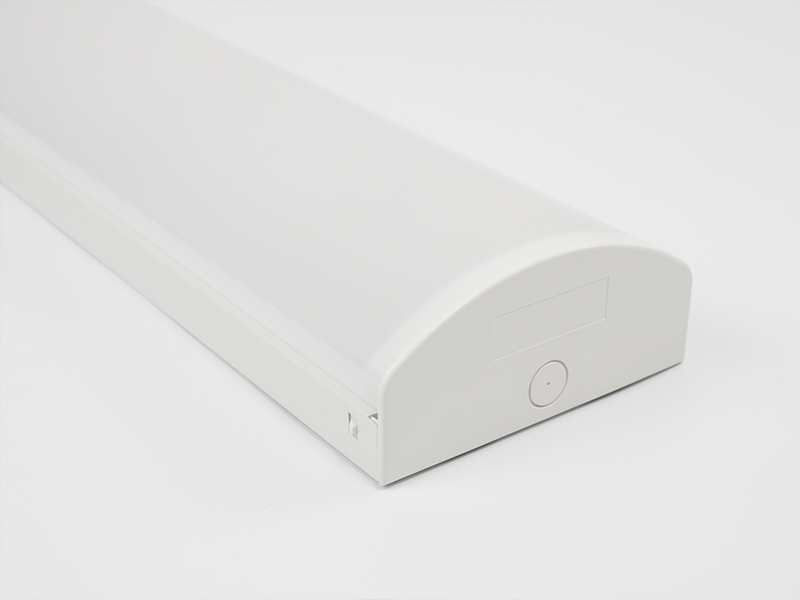
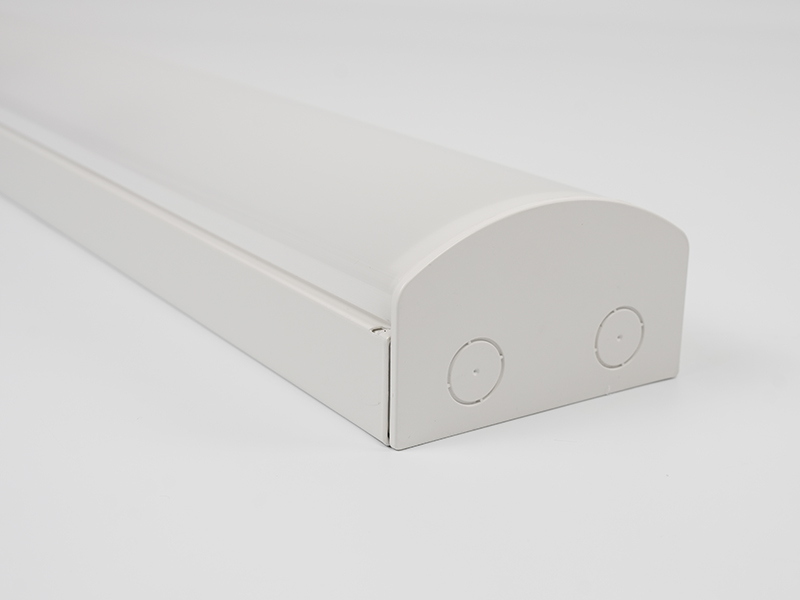
Linear lighting has evolved dramatically over the past decade, and LED batten lights sit at the heart of that transformation. These integrated fixtures—housing the LED chips, driver, heat sink and diffuser in one sleek body—have largely replaced traditional fluorescent tube fittings in homes, offices, factories and warehouses. While the standard sizes of 2ft, 3ft, 4ft and 5ft have dominated the market for years, the emergence of the 6ft LED batten light has opened up new possibilities for covering longer spans with fewer fixtures. This guide explores each size in depth, comparing their applications, performance characteristics, installation considerations and value propositions so you can make an informed choice for any lighting project.
Understanding LED Batten Light Technology
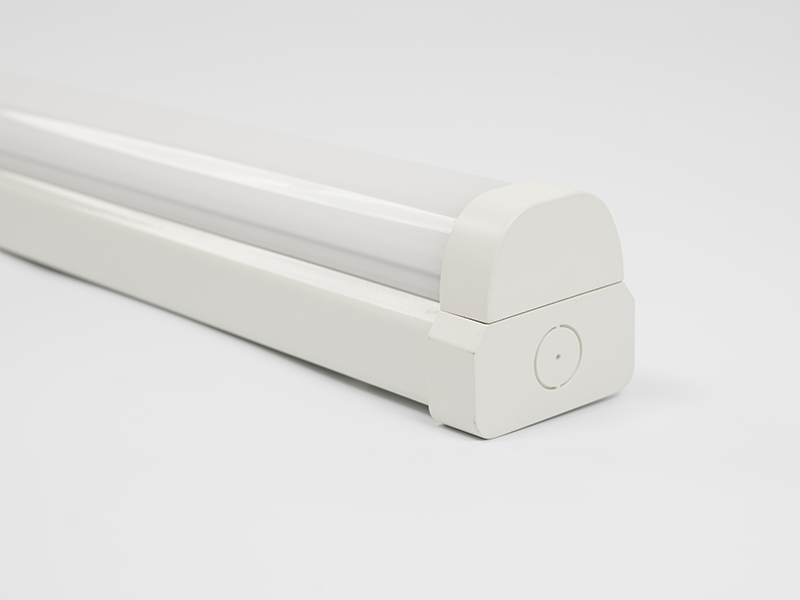
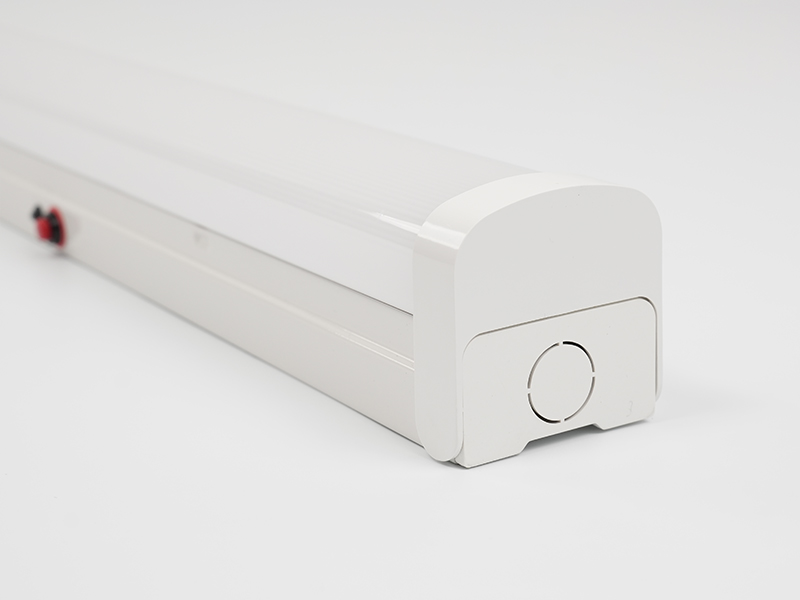
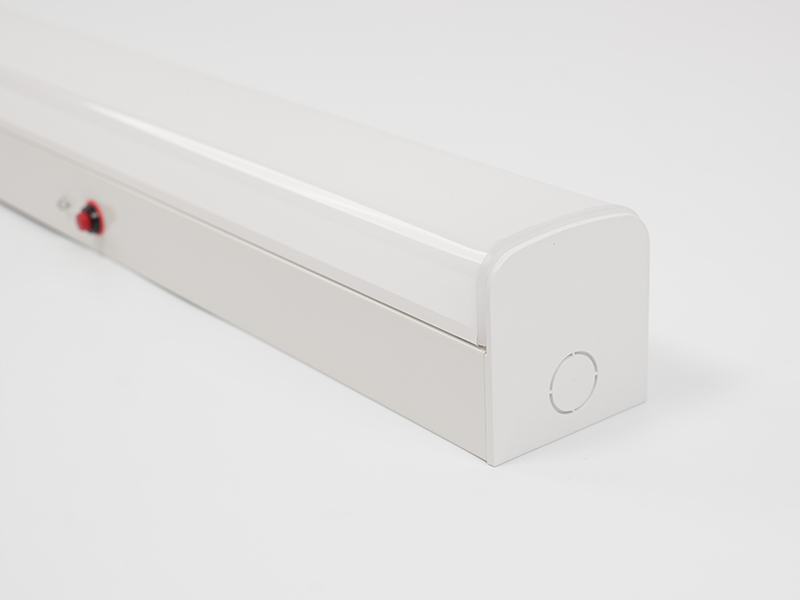
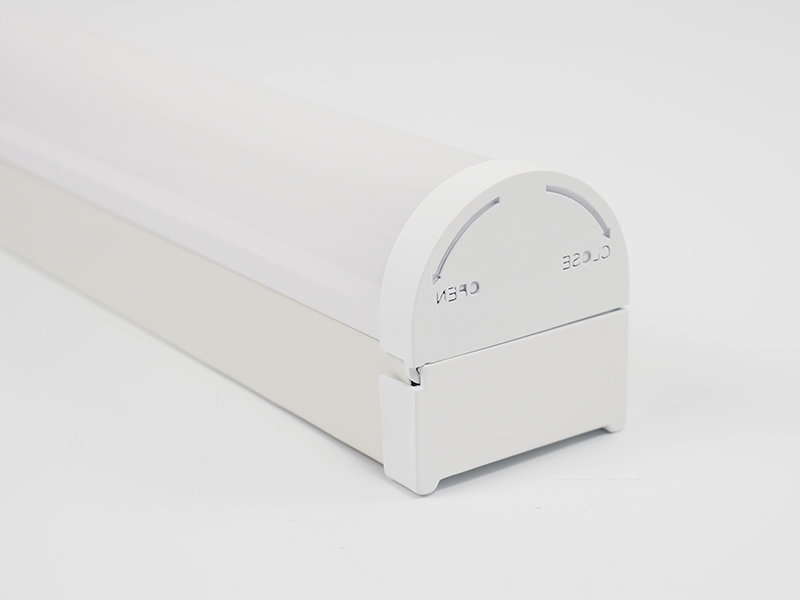
Before diving into specific dimensions, it helps to understand what makes an LED batten different from older technologies. An LED batten is a complete lighting unit: the LEDs are mounted on a printed circuit board (PCB), attached to an aluminium heat sink for thermal management, driven by a constant-current LED driver, and covered by a polycarbonate or acrylic diffuser that spreads light evenly while reducing glare. Unlike fluorescent tubes that require separate starter holders, ballasts and wiring compartments, an LED batten connects directly to mains voltage and operates instantly without flicker or warm-up delay.
Modern LED battens achieve efficiencies of 100–130 lumens per watt, meaning a 40W batten can produce as much light as a 100W fluorescent fitting. With rated lifetimes of 30,000 to 70,000 hours depending on driver quality and thermal design, they eliminate the frequent relamping cycles associated with fluorescent tubes. They also contain no mercury, making disposal simpler and safer.
The Size Spectrum: From Compact to Extra-Long
The "ft" designation refers to the approximate length of the fluorescent tube the batten replaces, though actual metric dimensions vary slightly between manufacturers. Here is the complete picture:
Size | Metric Length | Typical Wattage Range | Typical Lumen Output | Common Applications |
|---|---|---|---|---|
2ft | 585–620mm | 8–24W | 700–2,600 lm | Under cabinets, cupboards, shelves, small utility rooms |
3ft | 895–930mm | 12–35W | 1,200–3,800 lm | Narrow corridors, kitchens, cloakrooms, retail displays |
4ft | 1195–1230mm | 16–48W | 1,800–5,500 lm | Garages, workshops, offices, classrooms, general commercial |
5ft | 1475–1530mm | 22–55W | 2,600–6,000 lm | Warehouses, car parks, factories, large retail, linkable runs |
6ft | 1765–1830mm | 28–68W | 3,400–7,800 lm | Long corridors, high-bay mezzanines, sports halls, tunnels |
These figures represent averages from leading manufacturers; always verify specific product data sheets.
Detailed Analysis of Each Size
2ft LED Batten Lights – Compact and Focused
The 2ft batten is the smallest member of the family, measuring approximately 600mm in length. Its compact footprint makes it ideal for tight spaces where larger fixtures would look disproportionate or physically won't fit. Common installations include:
Under-cabinet lighting in kitchens and workshops, providing task illumination without occupying valuable wall space
Cupboard and wardrobe interiors, where a single 2ft batten transforms a dark storage area into a usable space
Display cabinets and shelving units in retail environments, highlighting merchandise without casting harsh shadows
Stairwells and landings, particularly where ceiling height is limited
Small utility rooms, boiler cupboards and pantries
Despite its modest size, a modern 2ft LED batten can deliver 1,500–2,200 lumens—equivalent to a 40–60W incandescent bulb—while consuming only 15–22W. Many 2ft models offer colour temperature switching (3000K/4000K/6000K) and come in both surface-mount and recessed variants.
One practical consideration: 2ft battens are often used in multiples along a wall or ceiling line, creating a continuous strip effect when linked together. Their smaller individual size allows for more granular control over lighting zones compared to using longer fixtures.
3ft LED Batten Lights – The Middle Ground
At approximately 900mm, the 3ft batten occupies a useful middle ground between compact and full-size fixtures. It is less common than 4ft or 5ft but remains popular for specific applications:
Narrow corridors and hallways where a 4ft batten would protrude beyond the ceiling width
Kitchen ceiling runs, especially above breakfast bars or peninsulas where balanced illumination is needed
Cloakrooms, powder rooms and small bathrooms where space is at a premium
Retail shelf lighting, providing even illumination across gondola runs without hot spots
Office breakout areas and meeting rooms where a softer, more intimate scale is desired
A 3ft batten typically produces 2,000–3,300 lumens at 18–32W, offering a good balance of light output and energy efficiency. Some manufacturers position the 3ft as a niche product, while others include it as part of a comprehensive size family alongside 2ft, 4ft, 5ft and 6ft options.
The main trade-off with 3ft is availability: because demand is lower than for 4ft and 5ft, fewer models exist, and pricing per lumen may be slightly higher. However, for projects where the dimensional fit is critical, the 3ft remains irreplaceable.
4ft LED Batten Lights – The Universal Standard
If there is one size that defines the LED batten market, it is the 4ft (approximately 1200mm). This is the direct replacement for the most common fluorescent tube size—T8 36W—and consequently enjoys the widest selection of products, features and price points.
Typical specifications for a 4ft LED batten:
Wattage: 18–48W (single strip) or 38–75W (twin strip)
Lumens: 2,000–5,500 lm (single); 4,000–10,000 lm (twin)
Efficacy: 110–135 lm/W
Colour temperatures: Usually switchable 3000K/4000K/6000K
Beam angle: 120° typical, with some models offering 160° for wider coverage
IP ratings: IP20 for indoor, IP44 for splash zones, IP65/IP66 for wet areas
Applications for 4ft battens are virtually limitless:
Garages and home workshops – the go-to choice for overhead lighting
Open-plan offices and cubicle farms – uniform illumination for productivity
Classrooms and lecture halls – even light distribution across student desks
Retail stores and showrooms – bright, colour-accurate light for merchandise
Hospitality venues – restaurants, cafes, hotel corridors and function rooms
Light industrial settings – assembly lines, packing areas, inspection stations
The 4ft format also excels in linkable installations, where multiple units connect end-to-end to form continuous runs. Many manufacturers offer quick-connect interlinks and through-wiring terminals, allowing an electrician to install a row of 4ft battens as easily as a single unit.
For residential users, the 4ft is often the first choice for converting a fluorescent-lit garage or workshop. The improvement in light quality, colour rendering and instant-start performance is immediately noticeable.
5ft LED Batten Lights – The Commercial Workhorse
The 5ft LED batten (approximately 1520mm) is arguably the most important size for commercial and industrial applications. It directly replaces the 58W or 70W fluorescent tube, which was historically the standard for large-area lighting in Europe and many other regions.
Key characteristics of 5ft battens:
Wattage: 26–60W (single); 52–95W (twin)
Lumens: 3,000–6,500 lm (single); 6,000–12,000 lm (twin)
Length advantage: One 5ft batten covers roughly 25% more linear distance than a 4ft, reducing the number of fixtures required for a given ceiling run
High-output variants: Some 5ft models push to 85W and 9,000+ lumens for demanding environments
Where 5ft battens shine:
Warehouses and distribution centres – long aisles benefit from fewer interruptions in the light line
Factory floors and production lines – consistent illumination across wide bays
Car parks and parking structures – robust IP65-rated models withstand moisture and dust
Sports halls and gymnasiums – high-ceiling applications requiring broad coverage
Agricultural buildings – barns, stables and livestock sheds need durable, weather-resistant lighting
Large retail spaces – supermarkets, DIY stores and furniture showrooms
The 5ft size is particularly advantageous in linkable runs. If a 20-metre corridor needs lighting, sixteen 5ft battens (with minimal gaps) will do the job versus twenty 4ft battens—saving four fixtures, eight brackets, and significant installation time.
For twin-tube replacements, a twin 5ft LED batten can match or exceed the light output of a legacy twin 58W fluorescent fitting while drawing less than half the power. Over a year of continuous operation, the energy savings alone can justify the upgrade cost.
6ft LED Batten Lights – Extended Reach for Large Spaces
The 6ft LED batten (approximately 1800mm) is the newest addition to the standard size family, gaining popularity as manufacturers respond to demand for even longer continuous runs with fewer joints. While not yet as ubiquitous as 4ft or 5ft, the 6ft format offers compelling advantages for certain applications.
Specifications for 6ft battens:
Wattage: 34–78W (single); 62–120W (twin)
Lumens: 3,800–8,500 lm (single); 7,000–14,000 lm (twin)
Weight: Heavier than shorter counterparts due to longer aluminium extrusion
Installation: May require additional mounting brackets for rigidity on longer spans
Best uses for 6ft battens:
Extra-long corridors in hospitals, hotels, schools and office buildings
High-bay mezzanine levels where ceiling access is limited and fewer fixtures reduce maintenance points
Tunnel and underpass lighting where continuous illumination is critical
Industrial clean rooms and laboratories requiring shadow-free light
Exhibition halls and convention centres where temporary rigging benefits from fewer connection points
The main consideration with 6ft battens is handling and installation. Their length makes them more challenging to transport, store on site, and manoeuvre into position—especially in confined spaces. Two-person installation is generally recommended for 6ft units, whereas 4ft and 5ft can often be handled solo.
Additionally, the range of 6ft products is narrower than for established sizes, so choices in colour temperature, dimming protocols and IP ratings may be more limited. However, as demand grows, manufacturers are expanding their 6ft offerings rapidly.
Single vs Twin Strip Configurations
Across all sizes, buyers face a fundamental choice: single strip or twin strip?
Single strip battens contain one row of LEDs and provide moderate light output suitable for general ambient lighting. They are lighter, cheaper and consume less energy.
Twin strip battens contain two parallel rows of LEDs, effectively doubling the light output within the same housing. They are heavier, more expensive upfront, but can replace dual-tube fluorescent fittings in a single installation step.
For most residential and light commercial applications, single strip battens provide adequate illumination. For warehouses, factories and high-ceiling spaces where lux levels must meet regulatory standards (e.g., 300–500 lux for general tasks, 750+ lux for fine work), twin strip or closely spaced single strips are often necessary.
IP Ratings: Matching Protection to Environment
The Ingress Protection (IP) rating determines a batten's resistance to solids and liquids:
IP20 – Protected against fingers and solid objects >12mm; no water protection. Suitable for dry indoor areas.
IP44 – Protected against tools and wires >1mm; splashing water from any direction. Good for kitchens, bathrooms and covered porches.
IP54 – Limited dust ingress; splashing water. Often used in light industrial settings.
IP65 – Dust-tight; protected against low-pressure water jets. The standard for warehouses, car parks and outdoor covered areas.
IP66 – Dust-tight; protected against powerful water jets. Used in agricultural wash-down areas and heavy industry.
IP67/IP68 – Temporary or continuous immersion. Rare for standard battens; specialised submersible models exist.
A common mistake is installing IP20 battens in garages or basements where condensation or occasional moisture exists. Always assess the actual environmental conditions rather than assuming "indoor" means dry.
Colour Temperature and CRI Considerations
Colour temperature, measured in Kelvin (K), affects the mood and functionality of a space:
3000K (Warm White) – Creates a cosy, inviting atmosphere. Ideal for hospitality, residential living areas, and accent lighting.
4000K (Cool White/Natural White) – Neutral, crisp light that balances warmth and alertness. The most popular choice for offices, schools, retail and general commercial use.
5000K–6500K (Daylight/Cool Daylight) – Bright, clinical light that enhances concentration and colour discrimination. Preferred for garages, workshops, warehouses and medical examination areas.
Many modern LED battens feature colour-switchable technology, allowing the installer to select the desired Kelvin setting via a physical switch on the fixture. This eliminates guesswork and allows flexibility if the space usage changes later.
Colour Rendering Index (CRI) measures how accurately colours appear under the light source compared to natural sunlight (which scores 100 Ra):
CRI ≥ 80 – Acceptable for most general applications
CRI ≥ 90 – Recommended for retail, art galleries, makeup areas and quality inspection
CRI ≥ 97 – Specialised for colour-critical tasks like textile grading or printing
Standard LED battens typically offer CRI 80–83. Premium models offer CRI 90+. The cost difference is modest and well worth it for spaces where accurate colour perception matters.
Dimmability and Control Options
Not all LED battens are dimmable. Check compatibility with leading-edge or trailing-edge dimmers, 0–10V analogue control, or DALI digital protocols:
Non-dimmable – Cheapest option; fixed output. Fine for storage rooms, corridors and utility areas.
Phase-cut dimmable – Works with standard domestic dimmers (leading/trailing edge). Suitable for residential and small commercial.
0–10V dimmable – Analogue control widely used in commercial lighting systems. Requires a separate control pair.
DALI dimmable – Digital Addressable Lighting Interface for advanced building management systems. Enables zoning, scene-setting and occupancy-linked control.
Wireless control – Zigbee, Bluetooth Mesh or Wi-Fi enabled battens allow smartphone/app control and integration with smart home systems.
For maximum flexibility, consider battens with multiple control options built in, such as 0–10V plus DALI, or phase-dimming plus wireless.
Emergency Backup and Safety Features
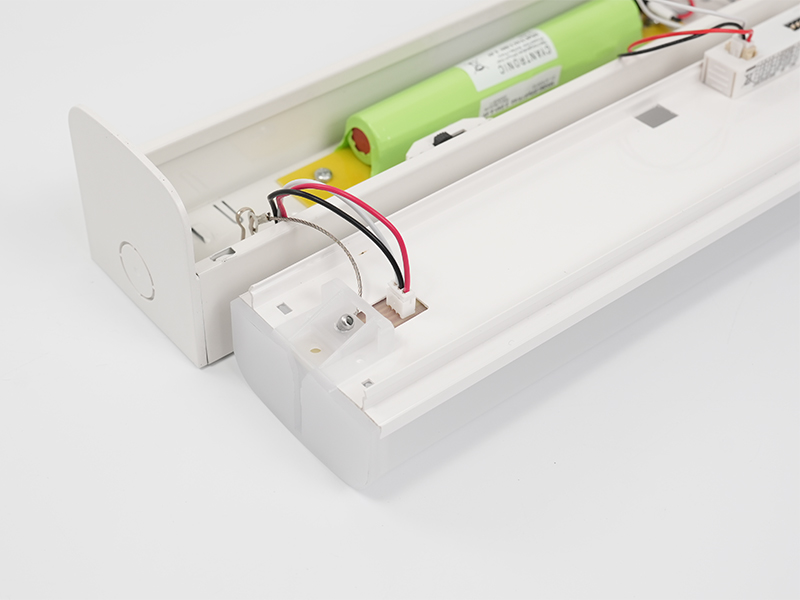
In many commercial and public buildings, emergency lighting is a legal requirement. Some LED battens integrate emergency backup modules:
Maintained mode – The batten operates normally during mains supply and switches to battery power upon failure.
Non-maintained mode – The batten stays off during normal operation and activates only when mains fails.
Duration – Typically 1 hour (basic) or 3 hours (full compliance with most building codes).
Self-test – Advanced models automatically test the battery and report faults via indicator LEDs.
Emergency battens are slightly longer to accommodate the battery pack and are clearly marked with green indicators. They should be specified early in the design process to ensure correct spacing and coverage.
Linkable Systems and Continuous Runs
One of the greatest advantages of modern LED battens is the ability to link multiple units together in continuous rows. This creates seamless illumination without dark gaps or visible cables between fixtures.
Key components of a linkable system:
Interlinking connectors – Plastic or metal clips that join two battens mechanically and electrically
Through-wiring terminals – Allow daisy-chaining of mains supply from one batten to the next
End caps – Finish the ends of a run neatly; some include entry points for cable glands
Mounting brackets – Positioned at intervals along the run to support the combined weight
Linkable runs are particularly effective in long corridors, open-plan offices, warehouse aisles and retail displays. They reduce installation time, minimise visible wiring, and create a clean, professional appearance.
Maximum run length depends on the current capacity of the internal wiring and the rating of the circuit breaker. Typically, 8–12 battens per circuit is safe, but always consult the manufacturer's guidelines and a qualified electrician.
Mounting Methods and Accessories
LED battens can be installed using several methods:
Surface mounting – The most common method. Brackets are screwed to the ceiling or wall, and the batten clips onto them. Suitable for solid ceilings, concrete slabs and timber joists.
Suspension mounting – Cables or rods suspend the batten below the ceiling. Essential for high-bay installations where maintenance access is needed from floor level. Suspension kits are sold separately or included with certain models.
Recessed mounting – The batten sits flush within a ceiling grid or plasterboard aperture. Requires a recessed frame or trim kit. Popular in modern offices and retail spaces for a minimalist look.
Magnetic mounting – Some newer battens incorporate strong magnets in the housing, allowing tool-free attachment to steel surfaces. Useful in temporary installations or where ceiling access is restricted.
Accessories to consider:
PIR motion sensors – Automatically turn lights on/off based on occupancy; excellent for energy saving in intermittently used spaces
Microwave sensors – Detect movement through thin walls/ceilings; more sensitive than PIR
Daylight harvesting sensors – Dim or switch off battens when sufficient natural light is present
Remote controls – Handheld or wall-mounted controllers for manual override
Diffusers – Opal, clear or micro-prismatic options affect light distribution and glare
Energy Efficiency and Total Cost of Ownership
Switching from fluorescent to LED batten lights delivers substantial energy savings. A comparison illustrates the point:
Fixture Type | Power Consumption | Annual Energy Cost* | Lifetime | Replacement Cost over 10 Years |
|---|---|---|---|---|
4ft Twin Fluorescent 2x36W | 76W (including ballast) | £91.20 | 10,000 hrs | £80 (lamps + labour) |
4ft Single LED Batten 36W | 39W (driver loss included) | £46.80 | 50,000 hrs | £0 |
5ft Twin Fluorescent 2x58W | 122W (including ballast) | £146.40 | 10,000 hrs | £100 (lamps + labour) |
5ft Single LED Batten 42W | 47W (driver loss included) | £56.40 | 50,000 hrs | £0 |
*Assumes 4,000 hours/year operation at £0.30/kWh
Over ten years, the LED batten saves hundreds of pounds in energy costs alone, plus eliminates lamp replacement expenses and downtime. The initial purchase premium is recovered within 1–3 years depending on usage intensity.
How to Choose the Right Size for Your Project
Selecting the optimal batten length involves balancing several factors:
Ceiling dimensions – Measure the exact length and width of the space. Longer battens reduce the number of fixtures but may be harder to handle. Ensure clearance for installation.
Required illuminance – Calculate the target lux level based on activity type. Use the lumen output per batten to determine quantity. Online lighting calculators can assist.
Existing infrastructure – If replacing fluorescent fittings, match the new batten length to the old tube size to reuse existing wiring positions and minimise ceiling patching.
Linkability requirements – For continuous runs, choose a size that divides evenly into the total run length. 4ft and 5ft are most flexible; 6ft may leave awkward partial gaps.
Transport and access – Consider how the battens will reach the installation site. 6ft units may not fit in standard lifts or stairwells.
Budget – Larger battens offer better value per lumen but require higher upfront investment. Smaller battens allow incremental expansion.
Aesthetics – The visual proportion of the fixture relative to the room matters. A single 6ft batten in a small room can feel overwhelming; three 2ft battens may look more balanced.
Future Trends in Linear LED Lighting
The LED batten market continues to evolve. Emerging trends include:
Human-centric lighting – Tunable white battens that adjust correlated colour temperature throughout the day to support circadian rhythms
LiFi integration – Battens that transmit data via modulated light pulses for wireless communication
Solar-ready battens – Units designed for off-grid operation with integrated photovoltaic inputs
Biodegradable materials – Housing made from recycled or plant-based polymers to reduce environmental impact
Advanced sensing arrays – Multi-sensor battens combining occupancy, daylight, temperature and air quality monitoring
From the compact 2ft batten perfect for a cupboard to the extended 6ft batten spanning a warehouse aisle, the range of LED batten sizes ensures there is a solution for virtually every linear lighting need. The 4ft remains the universal standard for its versatility and availability, while the 5ft dominates commercial and industrial settings. The emerging 6ft format pushes boundaries for extra-long runs with minimal joints.
When selecting battens, consider not just length but also wattage, lumen output, IP rating, colour temperature, CRI, dimming capability and linkability. A well-planned installation delivers years of reliable, efficient illumination with minimal maintenance.
Whether you are retrofitting a home garage, designing a new office layout or equipping a large-scale industrial facility, understanding the strengths of each batten size empowers you to make confident, cost-effective decisions. The future of linear lighting is bright—and it comes in lengths to suit every space.